
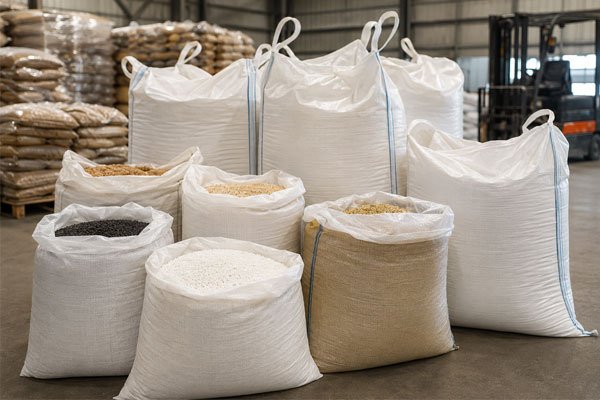
Industrial PP Bags: Types & Selection Guide
Industrial packaging plays an important role in the safe handling, storage, and transportation of bulk materials. Industrial PP Bags, made from polypropylene woven fabric, are widely used across manufacturing, agriculture, chemicals, food processing, construction, and other industries because of their strength, flexibility, and cost-effectiveness.
What Are Industrial PP Bags?
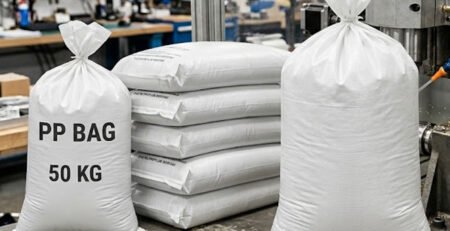
Industrial PP Bags are heavy-duty packaging bags manufactured from woven polypropylene tapes. The woven structure provides high tensile strength while keeping the bags lightweight and easy to handle.
Depending on the application, PP bags can be manufactured in different sizes, capacities, designs, closures, and specifications. They can also be customized with printing, liners, coatings, and other features for specific industrial requirements.
Types of Industrial PP Bags
Woven PP Bags
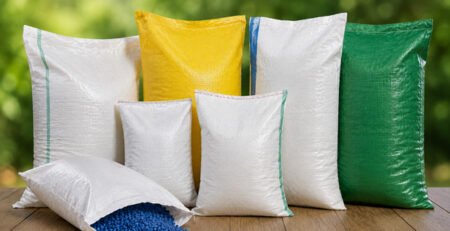
Woven polypropylene bags are made by interlacing PP tapes to create a strong and durable fabric. They are commonly used for packaging grains, chemicals, fertilizers, minerals, and industrial materials.
Laminated PP Bags
Laminated PP bags have an additional coating or laminated layer that provides improved protection against moisture, dust, and external contamination. They are suitable for products requiring additional packaging protection.
PP Bags with Liners
These bags feature an inner liner that provides an additional barrier between the packaged product and the external environment. They can be used for powders, fine materials, chemicals, and products requiring improved containment.
Printed PP Bags
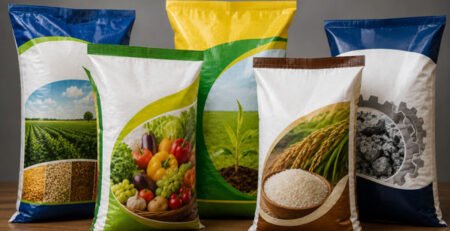
Printed bags allow manufacturers to display product information, handling instructions, company branding, and other important details directly on the packaging.
How to Choose the Right Industrial PP Bags?
Selecting the right bag depends on the material being packed and the expected handling conditions. Consider the following factors:
Material: Determine whether the bag will contain grains, powders, granules, chemicals, minerals, or other materials.
Bag Capacity: Select the appropriate size and load-bearing capacity based on the product quantity.
Fabric Strength: Choose the required fabric specification according to product weight and transportation conditions.
Lamination: Consider laminated construction when additional moisture or dust protection is required.
Liner: An inner liner may be suitable when improved product containment or barrier protection is needed.
Closure: Select an appropriate closure such as stitching, heat sealing, or other suitable options depending on the application.
Printing: Customized printing can help with branding, product identification, handling instructions, and regulatory information.

Leave a Reply